Control Invasive Plants
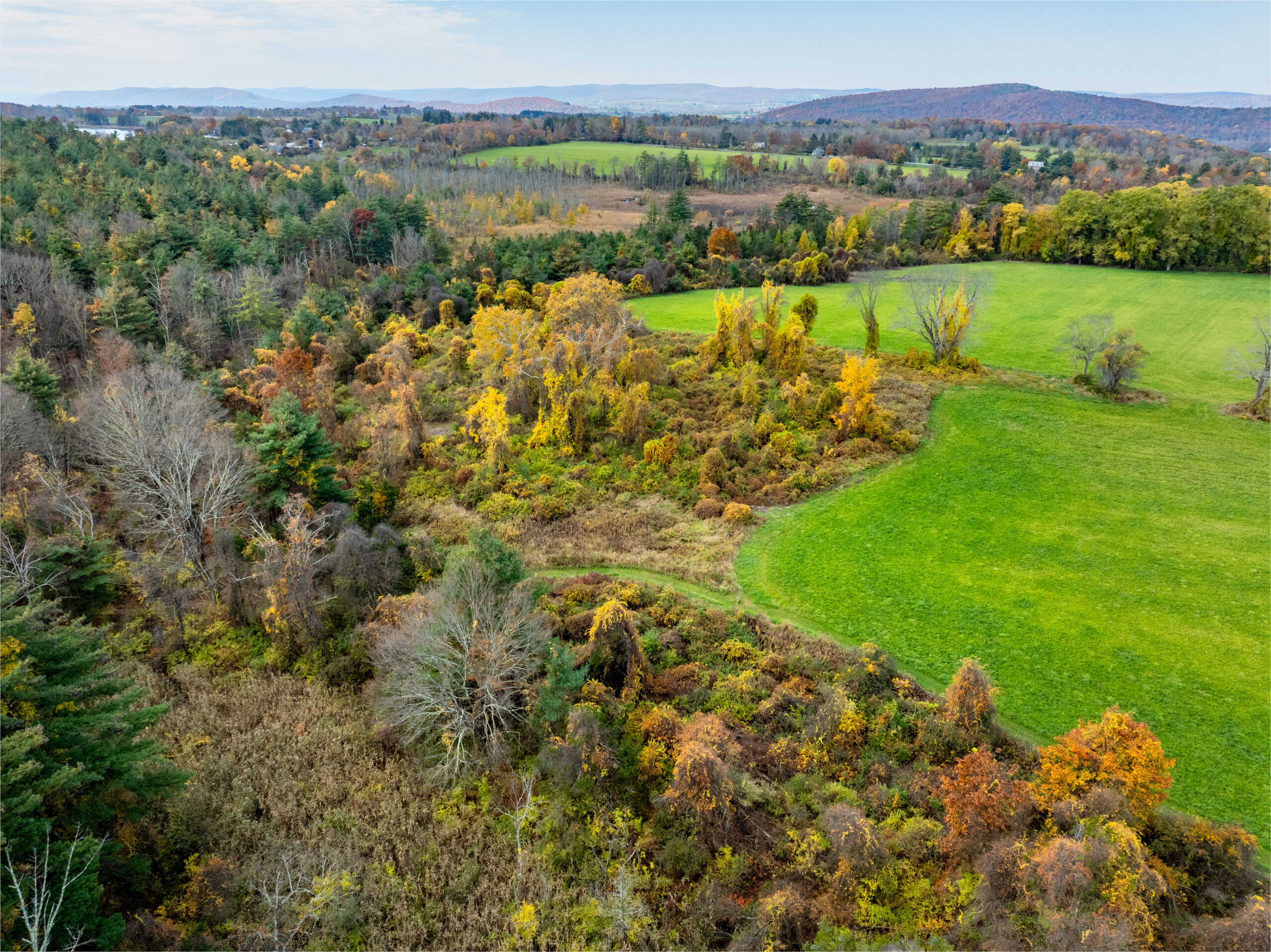
Invasives are non-native plants that are disruptive to the environment, causing harm to habitats, human health, and the economy. They proliferate rapidly because they lack natural controls that would otherwise limit their growth—which means that they can spread unchecked, choking out plants that are native to our landscape. When choosing plants for your gardens, be sure to select native plants or non-native plants that are not invasive. Controlling invasive plants on your property may seem daunting, but there are many resources available to help you start returning your land to its native ecology. Check out some resources we find helpful below.
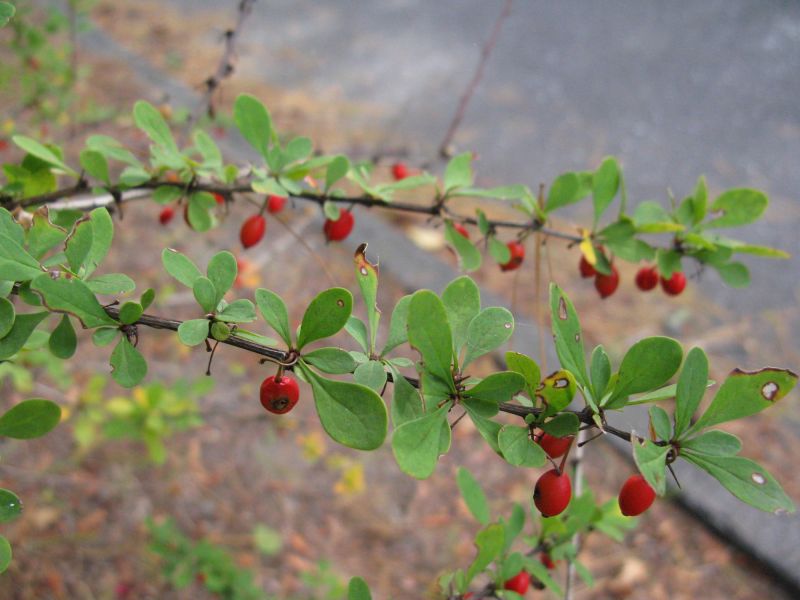
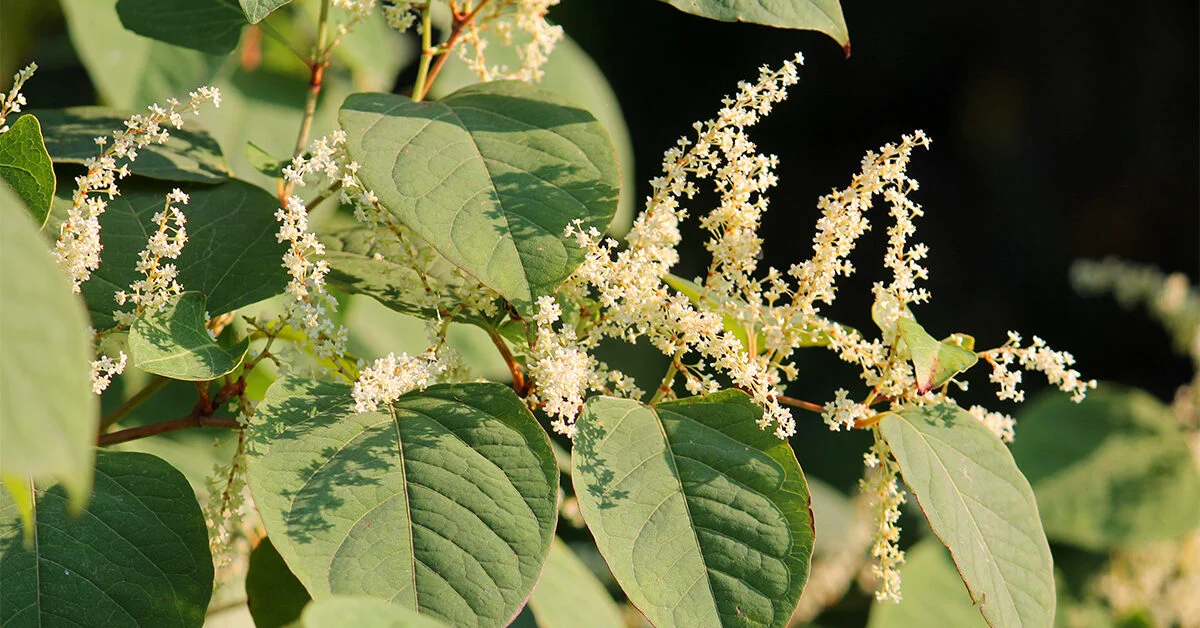
Resources to help you identify and control invasive plants
- The Connecticut Invasive Plant Working Group (CIPWG) Invasive Plant List is a comprehensive list of invasive plants in Connecticut with links to resources relevant to each individual species.
- The National Invasive Species Information Center has the latest news regarding invasive plants
- This CIPWG Invasive Plant Management Calendar is a fantastic resource detailing invasive plant management strategies and shows the best time of year to apply each treatment, whether mechanical or chemical.
- The Connecticut River Coastal Conservation District Invasive Plant Guide is another great resource for identifying and treating invasive plants. It also provides native alternatives.
Create a wildlife-friendly landscape
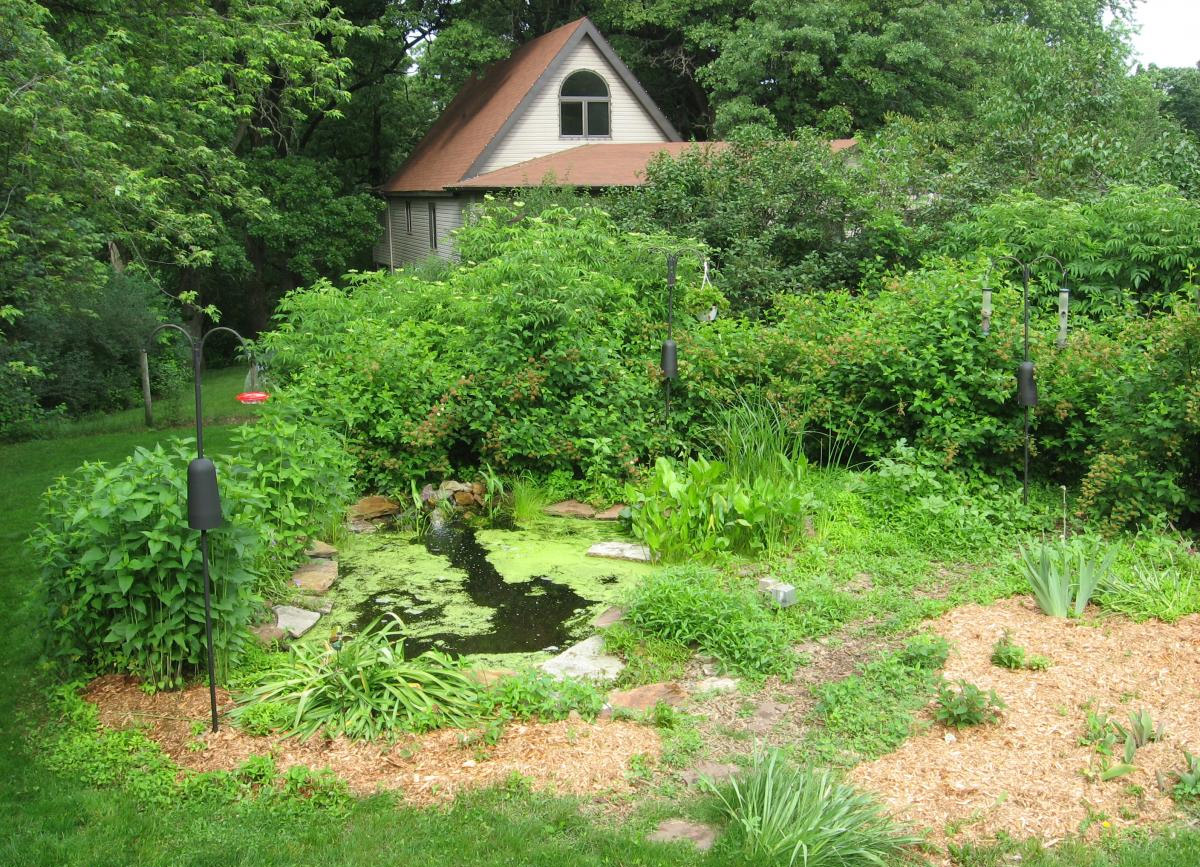
Improving your land for wildlife is one of the most fun and fulfilling projects you can do to help the environment. No matter how big or small your property, with some research and planning, you can create a yard that is beautiful and beneficial to butterflies, birds, and animals. Keep in mind these tips:
- Limit your Lawn. By reducing the size of your lawn, you can increase biodiversity on your property. Consider participating in No Mow May, and leave your property unmown for the month of May, allowing flowers to bloom and increasing habitat for pollinators in the early part of the growing season.
- Avoid the use of chemical fertilizers and pesticides.
- Leave standing dead trees and stumps or rotting logs where possible to provide nesting cavities and basking sites.
- Visit other natural areas for inspiration. Sharon Land Trust Hamlin Preserve has a beautiful native planting area surrounding the parking lot.
- Plant a variety of native trees and other plants to supply year-round nectar flowers, fruits and nuts. Happily, most local garden centers carry a selection of native trees, shrubs, and perennials. When searching for plants, be sure to ask for native species and advocate for more variety of them.
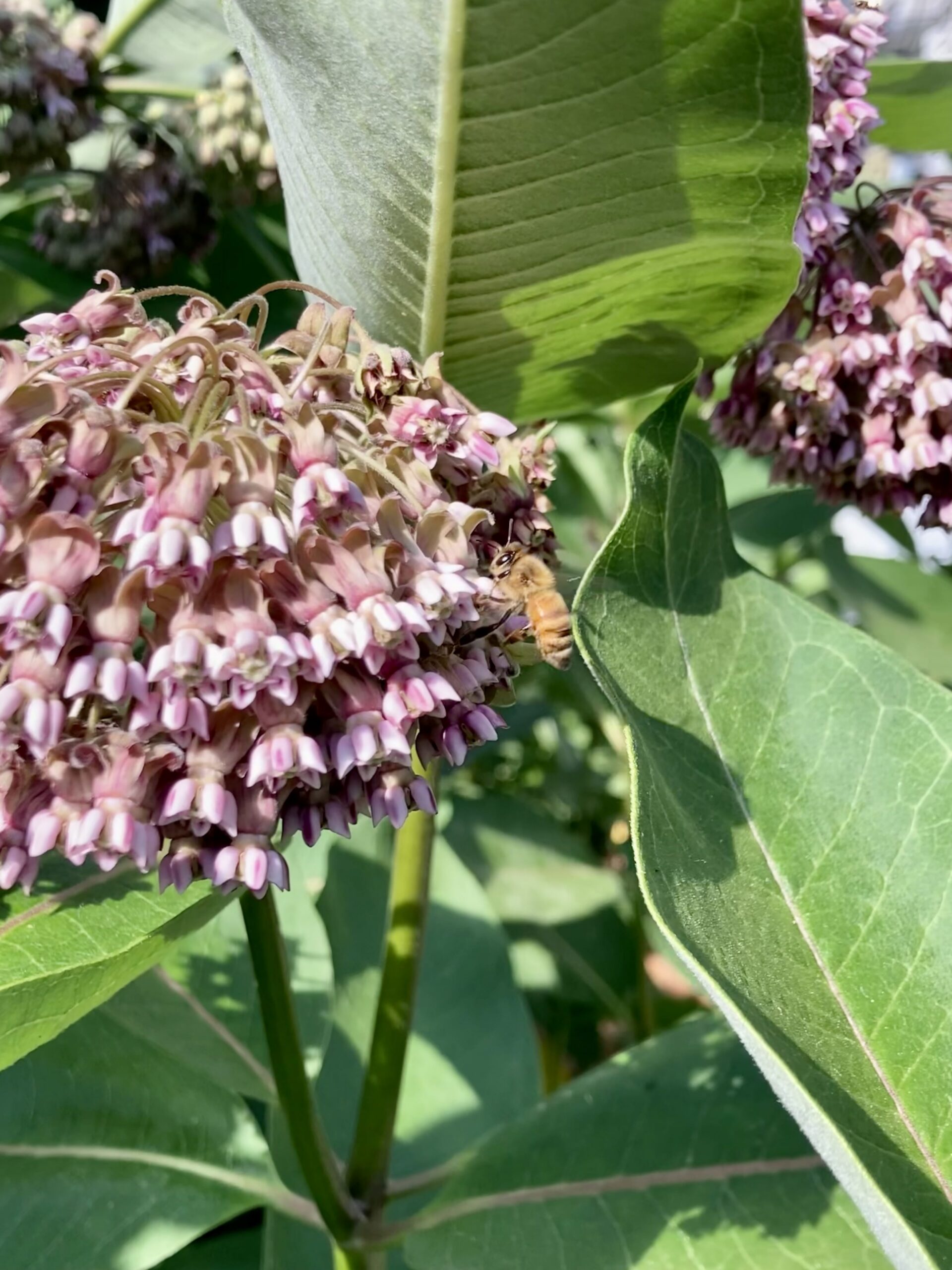
Resources for native species
- Audubon has a native plant database that can be searched by zip code. A quick search for 06069 resulted in 109 native plant species that are beneficial for birds and other wildlife.
- Homegrown National Park is a local grassroots organization focusing on biodiversity and ecosystem function by planting native plants and creating new ecological networks.
- Pollinator Pathway advocates for public and private pesticide-free corridors of native plants that provide nutrition and habitat for pollinating insects and birds.
- Native Plant Trust is the US’s first plant conservation organization and the only one solely focused on New England’s native plants.
- North American Native Plant Society is committed to preserving native plant habitats in wild areas and restoring indigenous flora to developed areas.
Recorded native and invasive plant talks
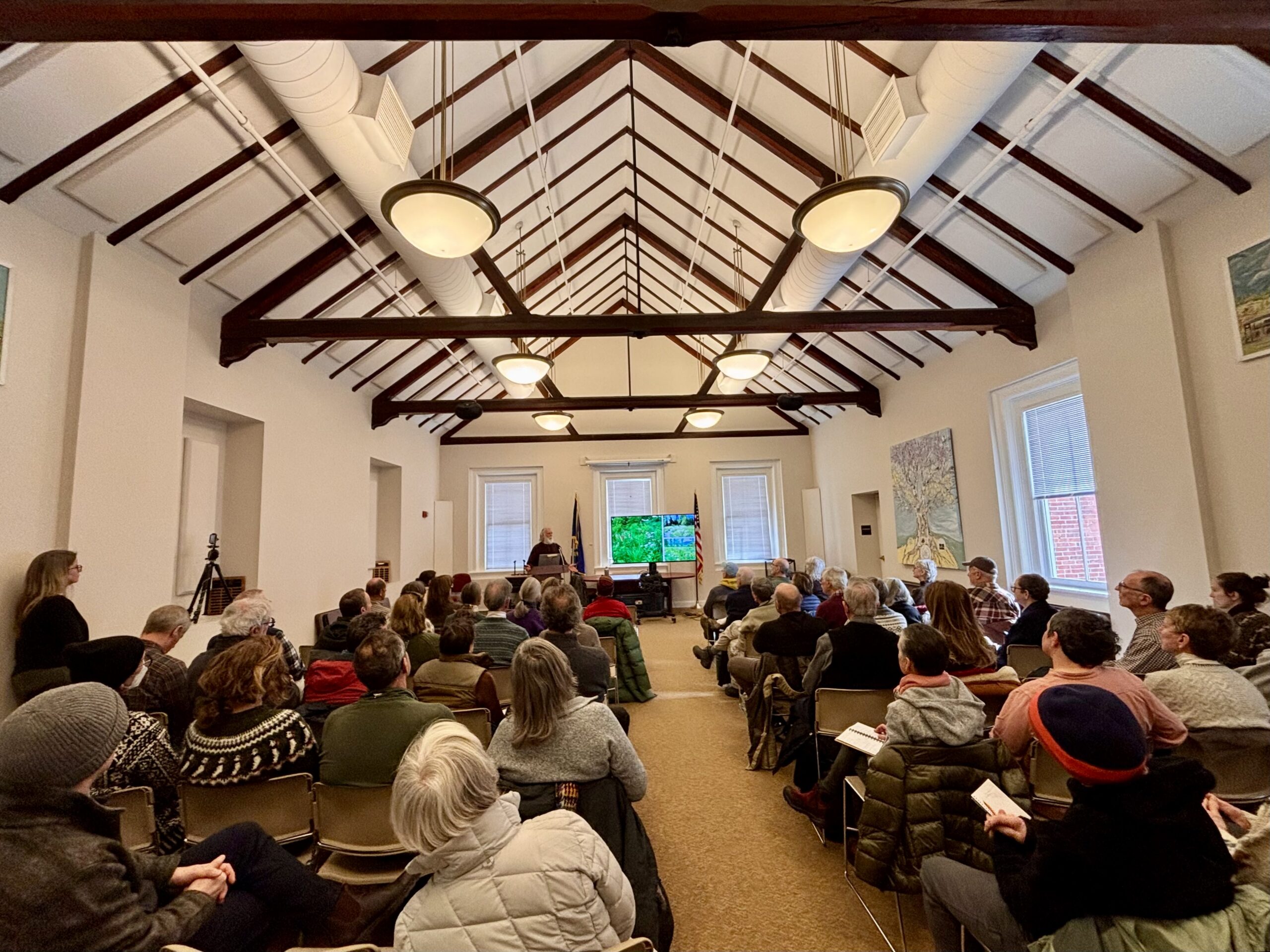
Heroes vs. Villains: The Native vs. Invasive Plant Conundrum January 24, 2026 – This introductory workshop explores what defines a “hero” and a “villain” in the plant world, how native and invasive species function in the landscape, and why their roles matter ecologically. Presented by Mike Nadeau.
Villains in Your Backyard: Practical Strategies for Managing Invasive Plants on Your Land February 21, 2026 – This second session takes a deeper dive into invasive plants, how to manage them effectively and responsibly, and how homeowners can make informed decisions when tackling invasive species on their own properties. Co-presented by Tom Zetterstrom and Mike Nadeau.
One more sessions to come focusing on native plants! Register for the free event on our events page.